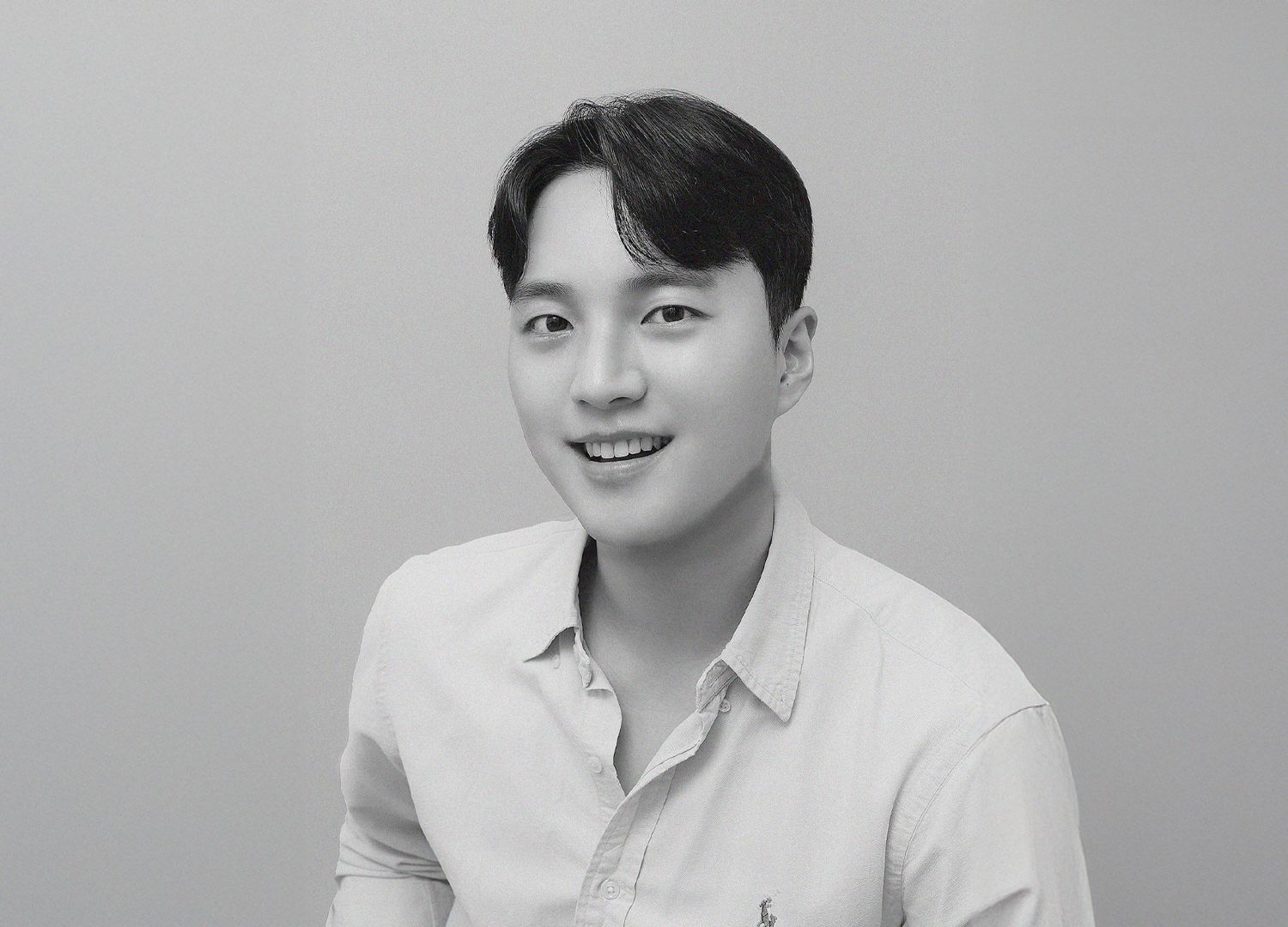
New York based Korean art director Geumjae Lee has emerged as a creative voice shaping new directions in contemporary advertising. Drawing from a wide range of experiences and interests, Lee moves fluidly across design, technology, and culture, challenging fixed formats and reexamining what advertising should do in a rapidly changing world.
At the core of Lee’s work is a belief that advertising must evolve beyond messaging. In an era defined by personalization and diversity of choice, he argues that advertising should function as a system, one that reflects how people actually behave, decide, and express themselves. This perspective runs through his projects, positioning brands not as broadcasters, but as participants within culture.
That approach culminated in a landmark year in 2025. Over the course of twelve months, Lee earned 35 international advertising awards, receiving recognition from nearly every major global competition, including Cannes Future Lions, Clio Awards, New York Festivals, Young Ones, and D&AD, alongside honors from the ANDY Awards, MAD Stars, and ADDYs.
Such a sweep across the industry’s most competitive stages is rare, particularly within a single year, and it marked Lee as more than a rising talent. It positioned him as part of a new generation redefining advertising not as persuasion, but as cultural infrastructure.
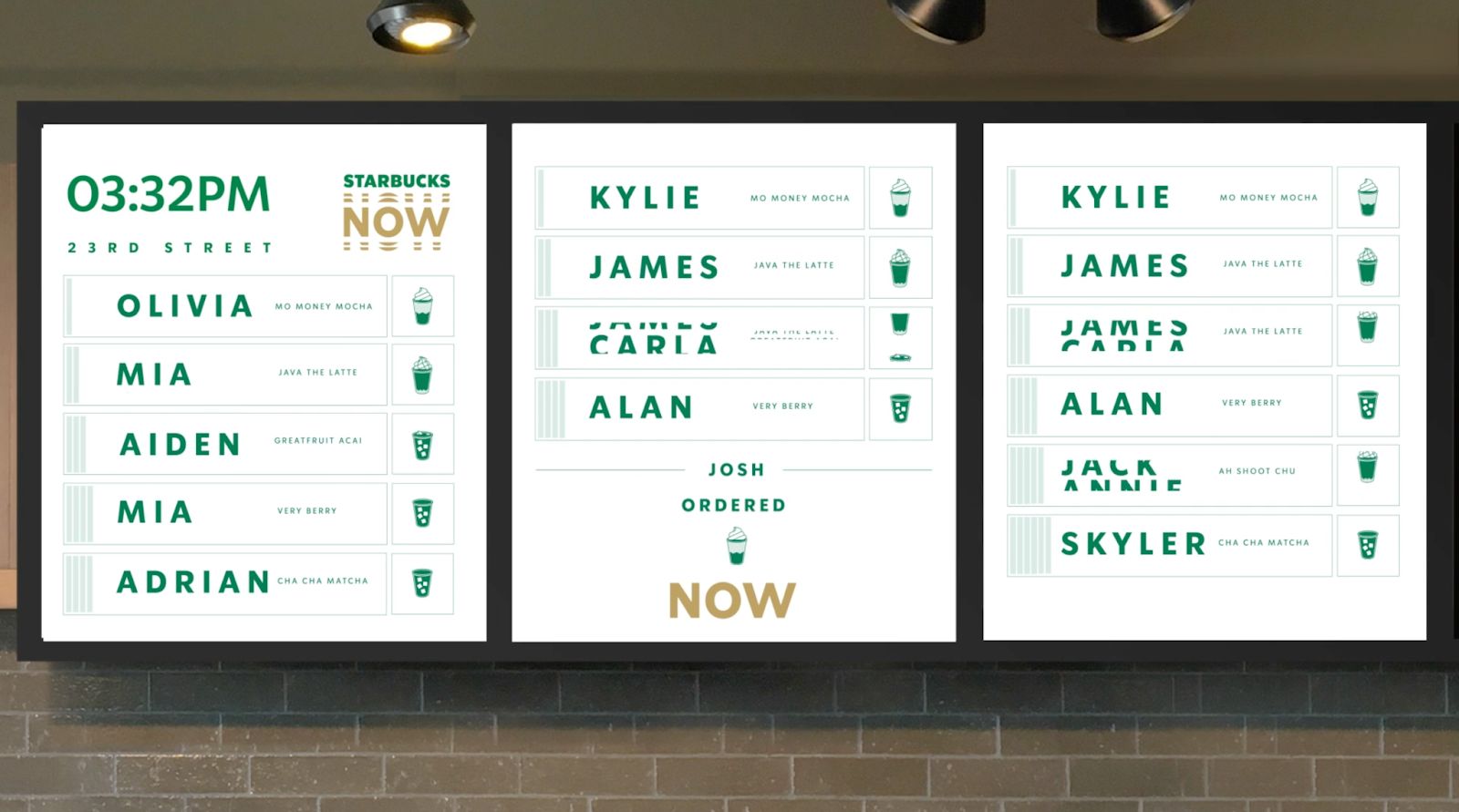
With Starbucks NOW, Lee proposed a fundamental shift in how menus function in the age of personalization. While customers increasingly order hyper customized drinks, such as grande flat white lattes with skim milk, extra foam, or whipped cream, Starbucks’ traditional menu system remained static and disconnected from how people were actually ordering.
NOW introduced a real time menu platform powered by live order data, displaying what customers were ordering at that very moment. Rather than prescribing choices, the system reflected collective taste and turned the menu into a living snapshot of culture.
Beyond usability, the platform encouraged social discovery by helping customers organically explore popular customizations, transforming personalization from a solitary act into a shared experience. Led entirely by Lee from ideation through design and motion, the project reframed Starbucks as a brand that does not merely allow individuality, but actively mirrors it.
In a cultural moment where personal preference is closely tied to identity, Starbucks NOW positioned the brand for its next evolution.
Awards: Clio Awards, New York Festivals, Young Ones, Art Directors Club
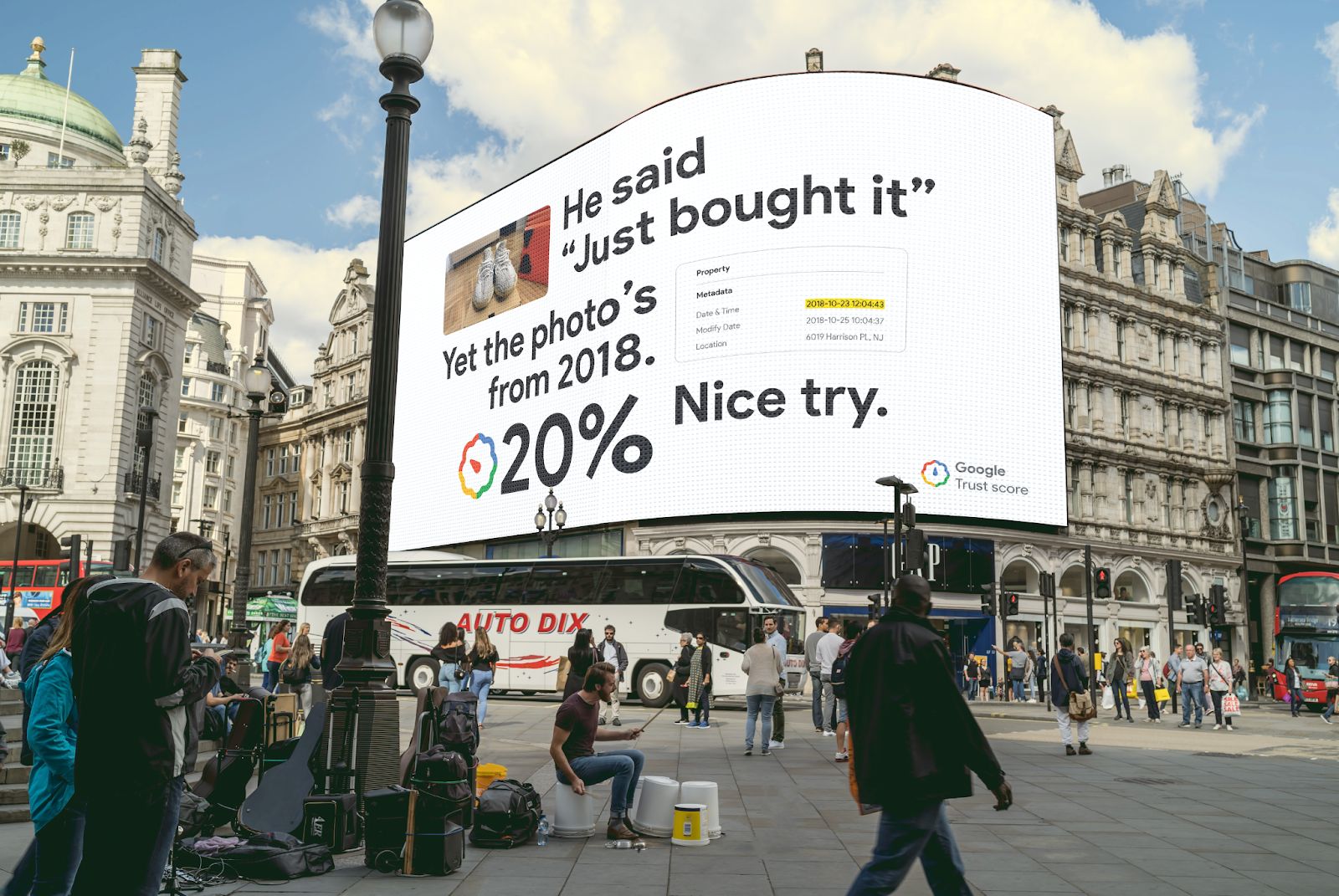
Fraud remains one of the most critical challenges facing online marketplaces, costing billions annually while eroding customer confidence. Trust Score, conceived by Lee, addressed this issue not with surface level warnings, but through a systemic solution.
Leveraging Google Cloud’s advanced AI, the platform analyzes image metadata, including location, time, and edit history, to verify product authenticity at scale. The result is a transparent trust signal embedded directly into the shopping experience, allowing users to make informed decisions with clarity.
More than a technical feature, Trust Score reframed trust as a visible, design led value. It reduced fraud, lowered operational costs, and repositioned eBay as a safer and more accountable marketplace, while establishing a new benchmark for trust across global ecommerce.
Awarded at Cannes Future Lions, the project demonstrated how cloud technology, guided by thoughtful creative direction, can fundamentally reshape an industry.
Awards: Cannes Future Lions
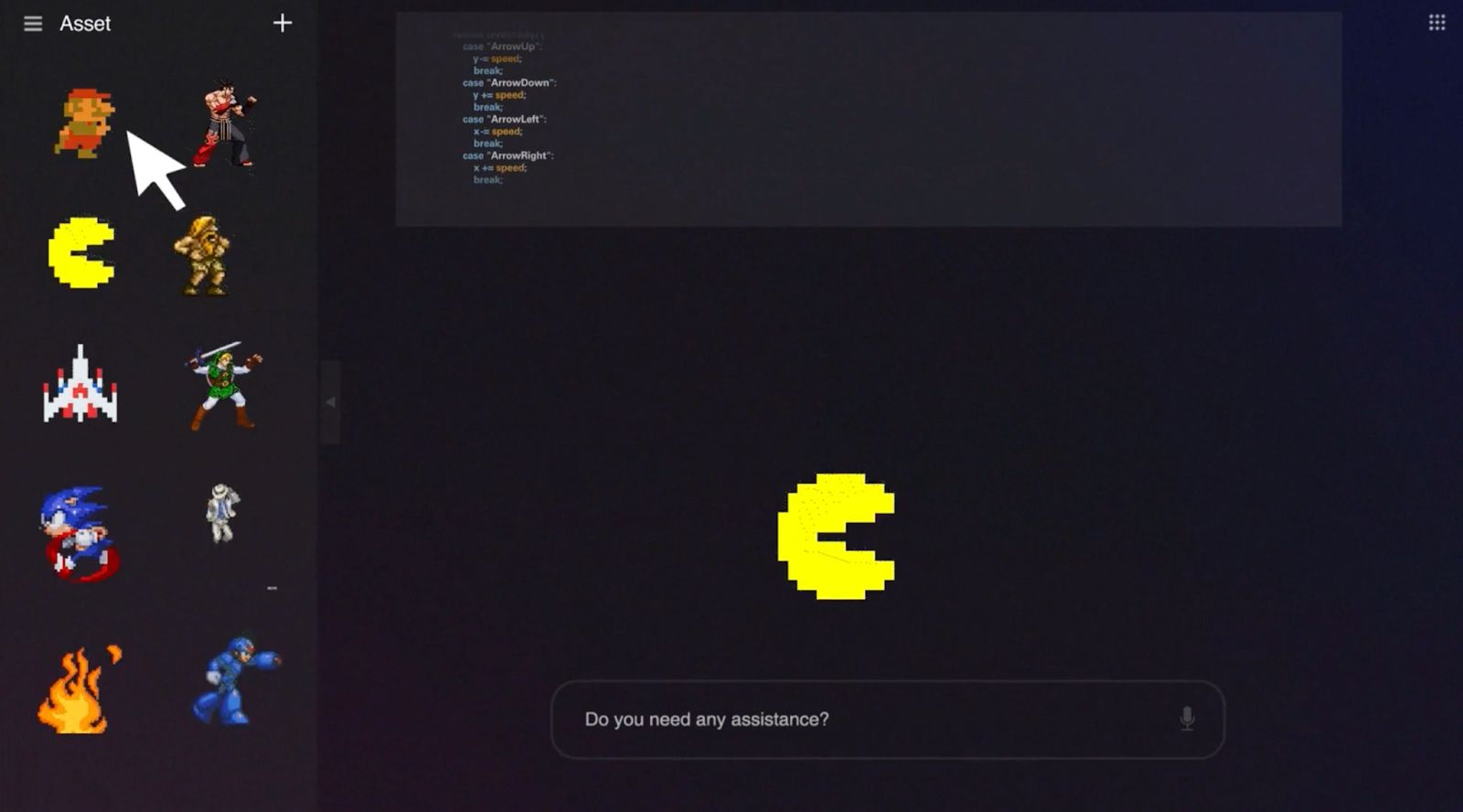
Game development has long been constrained by technical barriers, limited resources, and restricted access. Game Changer set out to dismantle those limitations.
Partnering with iconic titles such as Mario, Galaga, Pac Man, and Doom, Google Cloud transformed classic games into open source learning tools. Through tutorials, modifiable code, and distribution opportunities via YouTube and streaming platforms, beginner developers were given a clear and accessible path into the industry.
The platform did not simply teach people how to code. It offered visibility, recognition, and legitimacy. By lowering entry barriers, Game Changer positioned Google Cloud as a true enabler of creative ecosystems, extending its long standing mission of democratizing technology into culture.
The campaign set a new direction for how brands can empower creators, not through tools alone, but through access.
Awards: D&AD, New York Festivals
For Lee, advertising is not about convincing people to buy. It is about designing systems that reflect how people already live.
“Advertising works best when it functions as a mirror, not a megaphone,” he explains. “When it accurately reflects human behavior, it becomes meaningful.”
This belief is what draws him to the field. Advertising sits at the intersection of culture, technology, and human behavior. It is one of the few disciplines where an idea can move from a single insight to a global experience and shape how people interact with the world.
Lee measures success not by awards alone, but by longevity. He looks at whether an idea remains relevant, and whether it helps people feel seen, understood, or empowered long after a campaign ends.
Currently based in New York, Lee is studying Advertising at the School of Visual Arts, with graduation expected in May 2026. Through award winning projects for Starbucks and Google Cloud, he continues to explore how advertising can move beyond messaging to become a form of cultural infrastructure.
As his practice evolves, one thing remains constant. A commitment to asking what advertising can do next, not just for brands, but for the people they serve.



